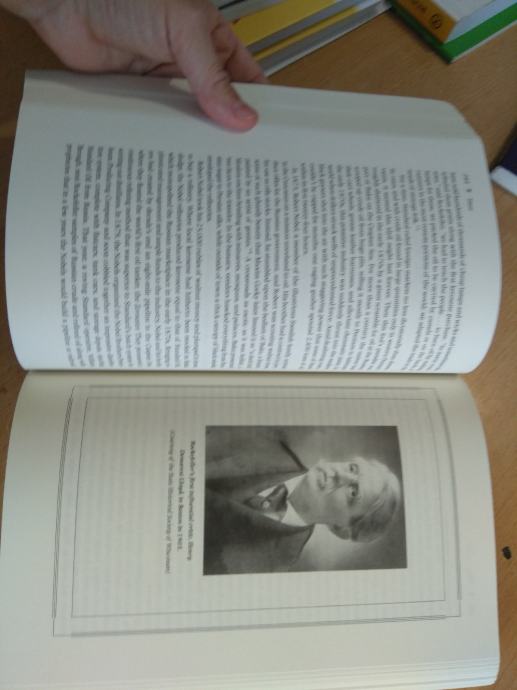
Titan The Life Of John D Rockefeller Sr
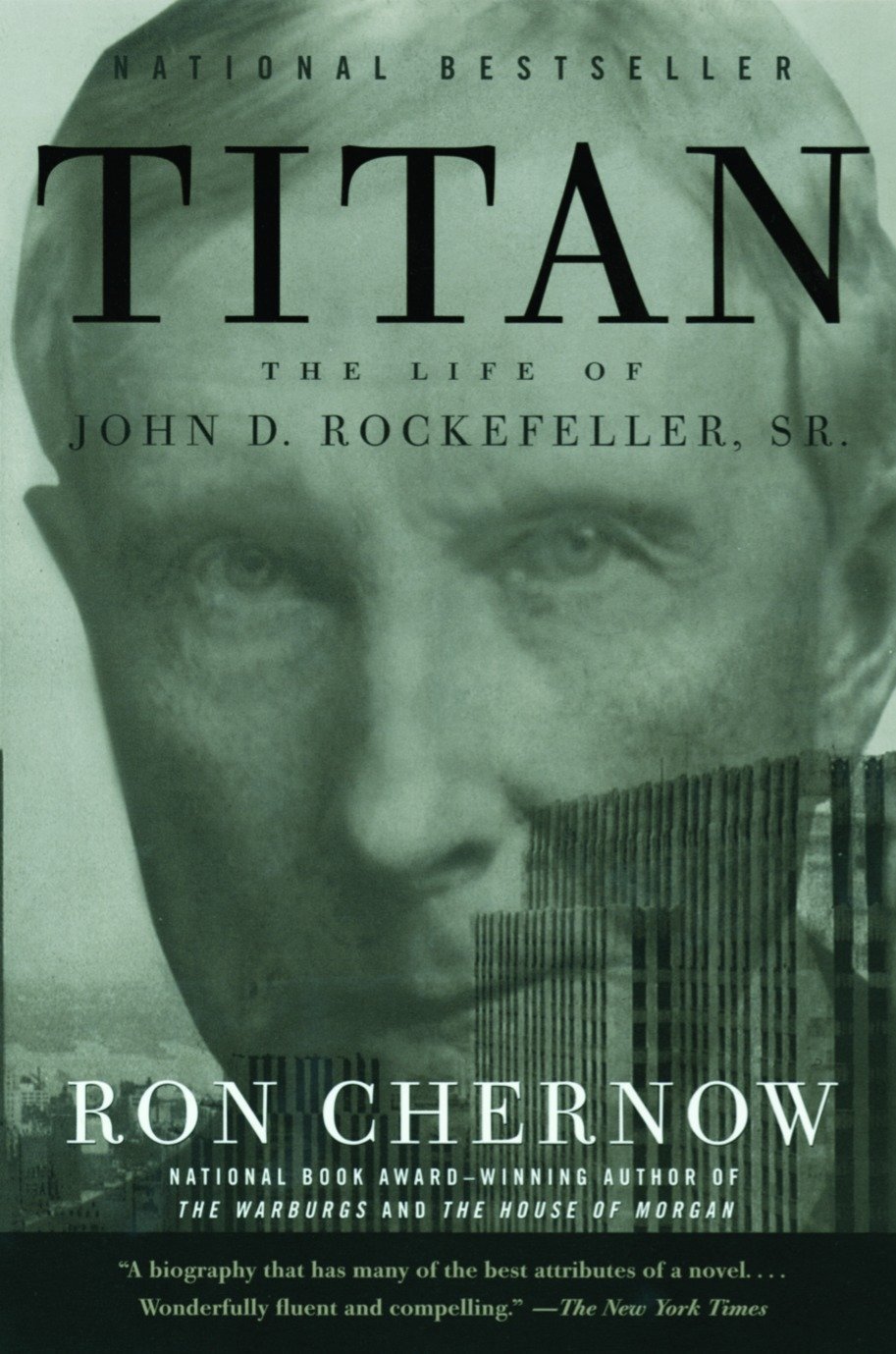
We all navigate a world shaped by the giants of industry, individuals whose decisions ripple through generations. Perhaps you’ve wondered about the origins of vast fortunes, the forces that built the modern economy, or the personal journeys of those who achieved seemingly impossible levels of success. Understanding figures like John D. Rockefeller Sr. isn't just about memorizing historical facts; it's about grasping the fundamental dynamics of capitalism, innovation, and the very fabric of our society. It’s about recognizing how one person’s ambition and actions can leave an indelible mark on the lives of millions, both positively and negatively.
The Unyielding Drive: Seeds of a Titan
John D. Rockefeller Sr. was born in 1839, a time when America was a burgeoning nation, hungry for progress. His childhood wasn't one of privilege; it was marked by frugality and a strong work ethic instilled by his mother, Eliza. He learned early on the value of dedication and the sting of financial insecurity. This formative period undoubtedly forged the resolve that would define his life. Imagine a young boy, entrusted with managing his own farm animals and selling produce – this early exposure to business, to profit and loss, was not merely a chore but a crucial apprenticeship. He saw firsthand the rewards of careful planning and diligent effort, lessons that would serve him in vastly larger ventures.
Rockefeller’s early career in Cleveland was characterized by astute observation and a relentless pursuit of efficiency. He wasn't just a businessman; he was a master strategist. When the oil boom hit, he recognized its potential not just as a commodity, but as a foundation for a new industrial empire. Unlike many of his contemporaries, who focused solely on the extraction of oil, Rockefeller saw the entire value chain – from refining to transportation. This foresight was his first, and perhaps greatest, competitive advantage.
Must Read
Forging an Empire: The Rise of Standard Oil
The establishment of Standard Oil in 1870 marked the beginning of an unprecedented era of industrial consolidation. Rockefeller’s approach was methodical and often ruthless. He understood that to control an industry, one needed to control every aspect of it. This meant acquiring competitors, not always through friendly mergers, but often through strategic price wars that left rivals unable to compete. Think of it like a game of chess; Rockefeller wasn't just moving his own pieces, he was anticipating his opponent's moves and strategically dismantling their defenses.
His methods, while incredibly effective in building wealth and efficiency, were also highly controversial. Many saw his consolidation of power as monopolistic, stifling competition and allowing him to dictate prices and terms to consumers and suppliers alike. This is where the counterpoint to his narrative emerges powerfully. Critics argued that Standard Oil’s dominance led to:
- Exploitation of workers: With less competition, the argument goes, there was less pressure to offer competitive wages or safe working conditions.
- Price gouging: The lack of alternatives meant consumers had to pay whatever Standard Oil deemed fit.
- Stifled innovation: When one company controls the market, the incentive for others to develop new and better methods can be diminished.
Indeed, the Sherman Antitrust Act of 1890 was a direct response to the immense power wielded by companies like Standard Oil. This legislation aimed to break up monopolies and restore a semblance of fair competition, highlighting the societal tension between unfettered capitalism and the need for regulation. Rockefeller, however, was a master of navigating these legal and public relations challenges, often arguing that his consolidation actually brought about greater efficiency and lower prices for the consumer in the long run. He believed that progress often required a firm hand and a long-term vision that individual, smaller players couldn't achieve.
Beyond Business: The Philanthropic Turn
As Rockefeller’s fortune grew, so too did the public scrutiny and the moral questions surrounding his wealth accumulation. It’s a common trajectory for immense wealth to eventually face calls for social responsibility. By the turn of the 20th century, Rockefeller began to shift his focus, embarking on an era of philanthropy that would rival his business achievements in its scale and impact. This wasn't a sudden, whimsical decision, but a calculated effort to address societal needs and, perhaps, to reshape his public image.
His philanthropic endeavors were as systematic as his business dealings. He wasn't merely handing out money; he was investing in institutions and causes he believed would yield the greatest return for humanity. The Rockefeller Institute for Medical Research (now Rockefeller University) stands as a testament to this. Before its establishment, medical research in the United States was fragmented and underfunded. Rockefeller recognized the immense potential of dedicated, well-funded scientific inquiry and poured resources into creating a world-class institution. This had a direct, tangible impact on countless lives through advancements in medicine and public health.

Consider the University of Chicago, another institution deeply shaped by Rockefeller’s largesse. His financial support was crucial in transforming it into a leading academic center, impacting generations of students and scholars. His approach was to identify areas of need – education, medicine, science – and then apply his formidable organizational skills to create lasting change. This focus on systemic solutions, rather than piecemeal giving, is a hallmark of his philanthropic legacy.
The Complex Legacy: A Double-Edged Sword
John D. Rockefeller Sr.'s life is a study in contrasts. He was a man of unparalleled business acumen who revolutionized industries and amassed a fortune of unimaginable proportions. Yet, he was also a figure whose methods led to widespread criticism and accusations of monopolistic practices. His immense wealth was built on a foundation of ambition and efficiency, but for many, it came at the cost of fair competition and worker well-being.

The real-world impact of Rockefeller is undeniable. On one hand, Standard Oil's efficiency likely contributed to making oil products more accessible and affordable over time, fueling industrial growth and improving living standards for many. The innovations in drilling, refining, and transportation he championed laid the groundwork for the modern energy sector. His philanthropic endeavors, as mentioned, have had profound and lasting positive effects on medicine, education, and scientific research, touching lives across the globe. Think of the lives saved by medical breakthroughs or the minds enlightened by access to better education – these are direct, human consequences of his later work.
On the other hand, the antitrust movements and labor disputes of his era serve as stark reminders of the societal costs of unchecked corporate power. The stories of individuals whose livelihoods were crushed by Standard Oil's aggressive tactics are equally part of his legacy. It's a difficult balance to strike: acknowledging the undeniable contributions to progress while also recognizing the human toll that such rapid, transformative change can exact.
The question often arises: was he a robber baron or a captain of industry? The answer, as with most complex figures, likely lies somewhere in between. He was a product of his time, a visionary who pushed the boundaries of what was considered possible in business. He was also a man who, later in life, sought to use his immense resources to address societal ills. His story is a powerful illustration of how power and responsibility are intertwined, and how the decisions of a few can shape the destiny of many.

Lessons for Today
The life of John D. Rockefeller Sr. offers profound lessons for our own time. In an era of rapid technological change and globalized economies, understanding the dynamics of large-scale enterprise, competition, and the ethical considerations of wealth accumulation remains crucial.
- The importance of vision: Rockefeller's ability to see beyond immediate gains and to anticipate future needs was key to his success.
- The ethics of power: His story compels us to consider the responsibilities that come with significant influence and wealth.
- The enduring impact of philanthropy: His commitment to large-scale, strategic giving demonstrates how private resources can be a powerful force for public good.
We can learn from his relentless drive, his strategic thinking, and his eventual commitment to giving back. But we can also learn from the criticisms leveled against him, understanding the need for balance, fairness, and a recognition of the broader societal impact of business practices.
As you consider the titans of industry, past and present, what aspects of Rockefeller's journey resonate most with you? What lessons do you believe are most critical for us to carry forward as we navigate our own economic landscape?