Sprawdzian Historia 2 Gimnazjum Rzeczpospolita Obojga Narodów

Rzeczpospolita Obojga Narodów, often studied in history tests for 2 Gimnazjum (8th grade), was a unique and influential state in European history. It's crucial to understand what it was, how it worked, and why it eventually declined.
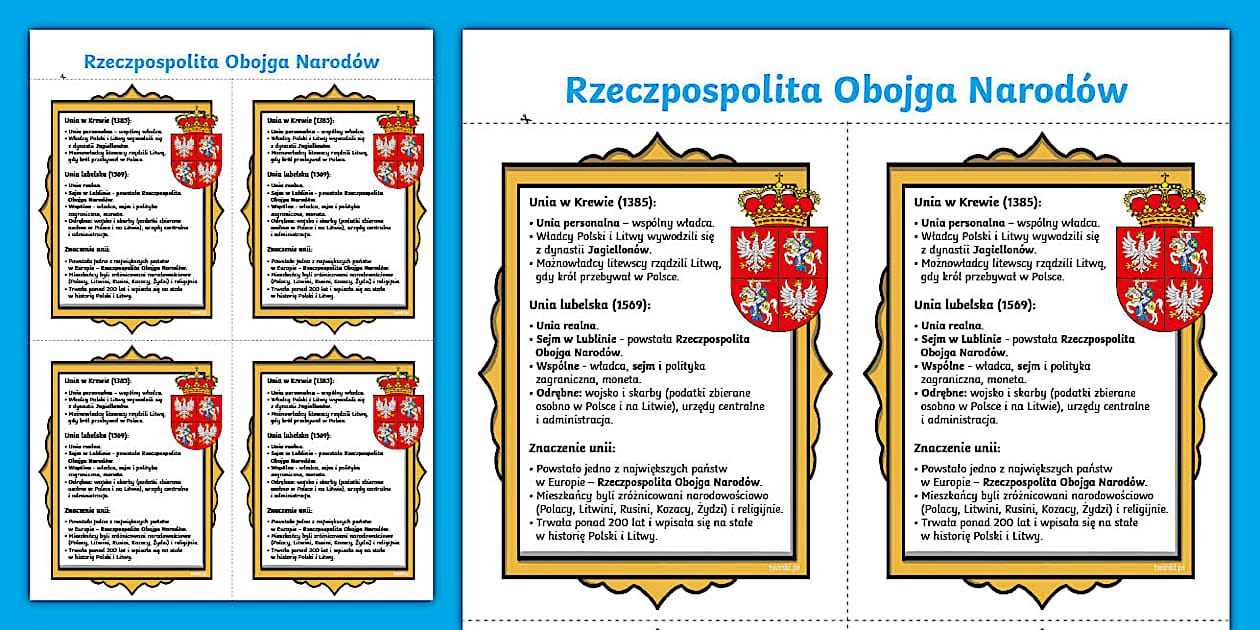
Essentially, the Rzeczpospolita Obojga Narodów was a union between the Kingdom of Poland and the Grand Duchy of Lithuania. Think of it like a long-term partnership or alliance between two powerful entities that decided to become one country.
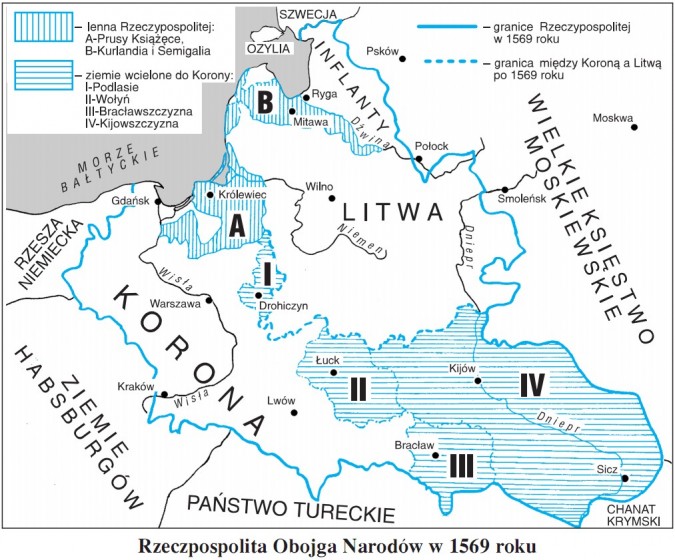
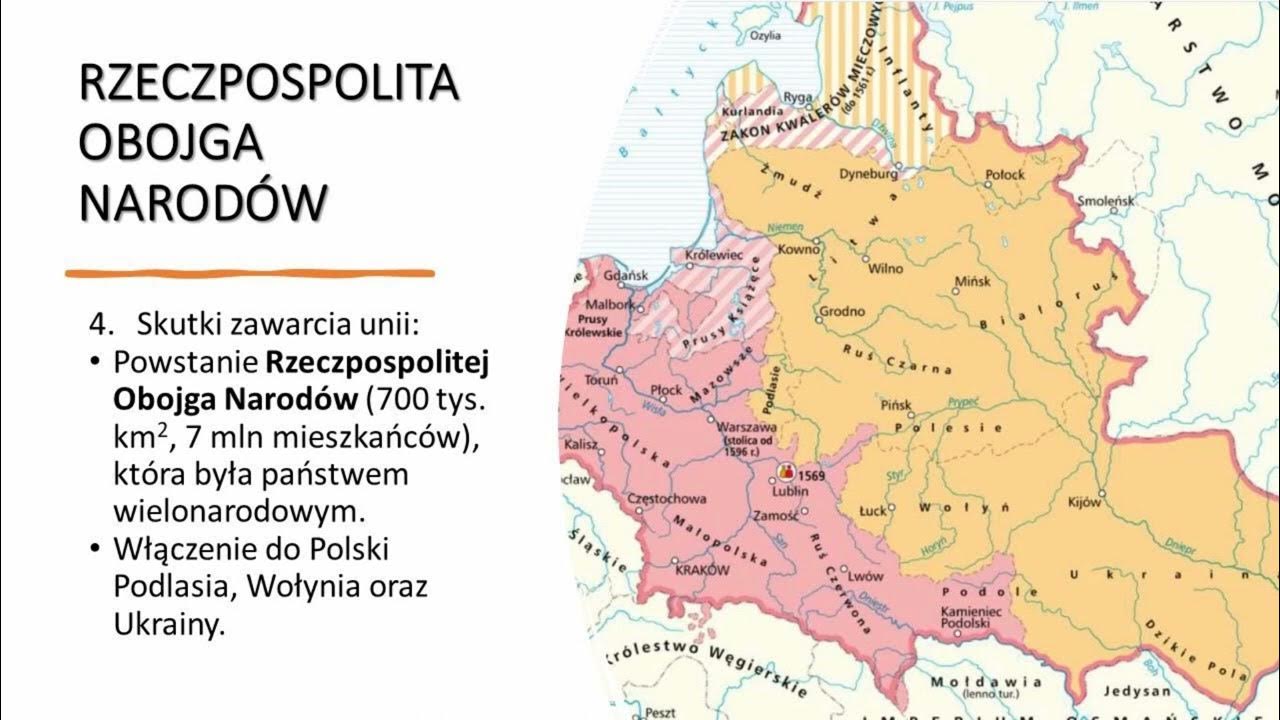
How did it begin? The formal beginning is marked by the Union of Lublin in 1569. Before this, Poland and Lithuania had a personal union – they shared the same monarch but remained separate states. The Union of Lublin made it a real, unified state with shared institutions.
Must Read
Key Features:

- Elected King: Unlike many other European monarchies where the throne was hereditary, the king in the Rzeczpospolita was elected by the nobility (the szlachta). This made the country an elective monarchy.
- Szlachta's Power: The szlachta (nobility) held immense power. They controlled the Sejm (parliament) and had significant influence over the king. This power is often summarized by the term "Złota Wolność" (Golden Liberty), referring to their extensive rights and freedoms.
- Sejm: The Sejm was the parliament, consisting of the king, the Senate (upper house), and the Chamber of Deputies (lower house). Laws were passed here, and the szlachta represented their regions.
- Religious Tolerance: Initially, the Rzeczpospolita was known for its religious tolerance, particularly towards Protestants. This made it a haven for people fleeing religious persecution elsewhere in Europe.
- Veto: A single member of the Sejm could use the "liberum veto" to block any law, regardless of how many other members supported it. This single vote could paralyze the entire government.
Strengths of the Rzeczpospolita:
- Large Territory: It was one of the largest and most powerful countries in Europe, controlling vast lands.
- Cultural Flourishing: The Renaissance and Baroque periods saw a flourishing of culture and art in the Rzeczpospolita.
- Agricultural Power: It was a major exporter of grain and agricultural products.
Weaknesses and Decline:

- "Liberum Veto": The "liberum veto" gradually weakened the government, making it incredibly difficult to pass laws or make important decisions.
- Szlachta's Self-Interest: The szlachta often prioritized their own interests over the good of the country, leading to internal conflicts and corruption.
- Elected Kings' Weakness: Elected kings were often foreigners with little connection to Poland, making them vulnerable to manipulation by powerful nobles.
- Wars and Invasions: Constant wars with neighboring countries, such as Sweden (the Deluge), Russia, and the Ottoman Empire, drained the country's resources and weakened its military.
The Partitions: The culmination of these weaknesses led to the Partitions of Poland in the late 18th century. Prussia, Russia, and Austria divided the territory of the Rzeczpospolita amongst themselves, effectively erasing it from the map. This marked the end of a significant era in Polish and European history.
Understanding the Rzeczpospolita Obojga Narodów requires grasping the interplay between the elected monarchy, the szlachta's power, and the ultimate consequences of its internal weaknesses. Knowing these core elements will help you succeed in your Sprawdzian Historia 2 Gimnazjum!